

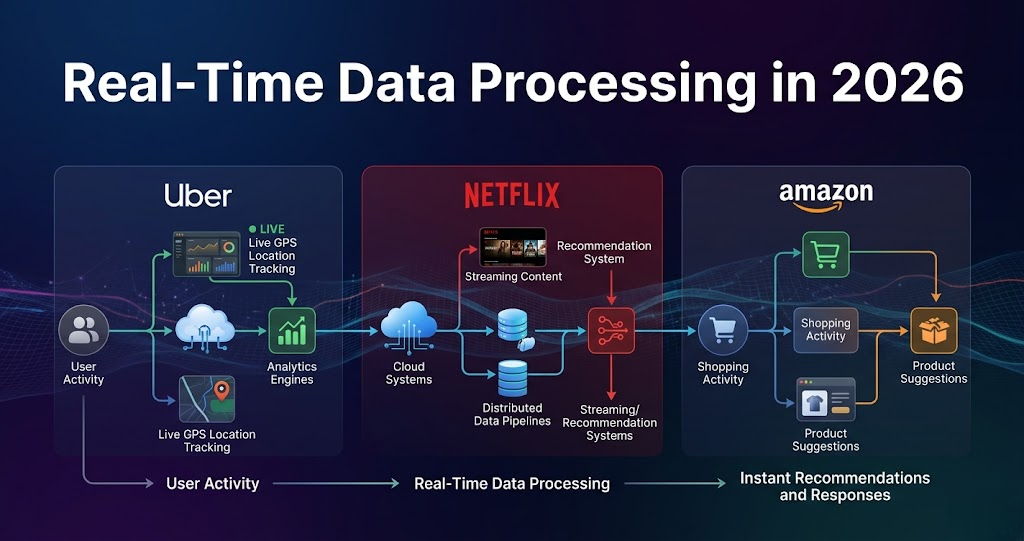
Every second, companies like Uber, Netflix, and Amazon process massive amounts of data from millions of users across the world. Whether you are booking a ride, watching a movie, or ordering a product, these platforms are continuously collecting and processing real-time information. The reason everything feels fast and smooth is because these companies use advanced data engineering systems behind the scenes. Modern businesses cannot wait hours to process information anymore. They need real-time data processing to make instant decisions, improve customer experience, and keep systems running efficiently. In this blog, you will understand how companies like Uber, Netflix, and Amazon process real-time data using modern big data technologies. What is Real-Time Data Processing? Real-time data processing means handling data immediately as it is generated. Instead of storing data and processing it later in batches, companies process events instantly. This helps businesses respond quickly to user actions and system changes. Examples of real-time data include: Modern applications depend heavily on real-time systems because users expect instant responses. How Uber Processes Real-Time Data Uber handles millions of ride requests every day. When a user books a ride, the system must process location data, driver availability, traffic conditions, and pricing instantly. Uber continuously processes: This data flows through streaming pipelines and distributed systems in real time. If Uber used slow batch systems, ride matching and pricing would become delayed, creating poor user experience. Real-time processing helps Uber: How Netflix Uses Real-Time Data Netflix processes huge amounts of streaming and user activity data every second. Whenever you: Netflix collects and analyzes this information instantly. This helps Netflix: Netflix uses modern distributed systems and big data processing tools to handle this scale efficiently. Its recommendation engine depends heavily on real-time analytics and machine learning systems. How Amazon Uses Real-Time Data Amazon processes real-time data to improve shopping experience and manage operations. When you search or buy products, Amazon instantly analyzes: This helps Amazon provide: Real-time systems also help Amazon detect fraud and monitor transactions immediately. Technologies Used Behind the Scenes Companies like Uber, Netflix, and Amazon use modern data engineering technologies to process large-scale real-time data. Some commonly used technologies include: These tools help process millions of events quickly and reliably. Role of Data Pipelines Data pipelines are one of the most important parts of real-time systems. A pipeline continuously moves data from applications into processing systems and analytics platforms. A simple flow looks like this: User Activity → Streaming Pipeline → Real-Time Processing → Analytics → Instant Response These pipelines help companies process and react to data immediately. Without strong pipelines, real-time systems cannot work efficiently. Why Real-Time Data is Important Modern users expect fast responses from applications. People expect: Real-time processing helps companies improve customer experience and business performance. It also helps businesses: This is why real-time data processing is becoming essential in modern technology systems. What Beginners Can Learn from This Understanding how real-time systems work helps beginners understand the importance of modern data engineering. Today’s data engineers work with: Skills like Apache Spark, Kafka, cloud computing, and data pipelines are becoming highly valuable in 2026. Learning these technologies can open strong career opportunities in modern data companies. Companies like Uber, Netflix, and Amazon depend heavily on real-time data processing to deliver fast and personalized experiences. From ride matching and movie recommendations to shopping systems and analytics, modern applications rely on advanced data engineering infrastructure. As businesses continue growing digitally, the importance of real-time data systems will continue increasing. This is why technologies related to streaming, cloud computing, and big data processing are becoming some of the most important skills in modern data engineering careers.
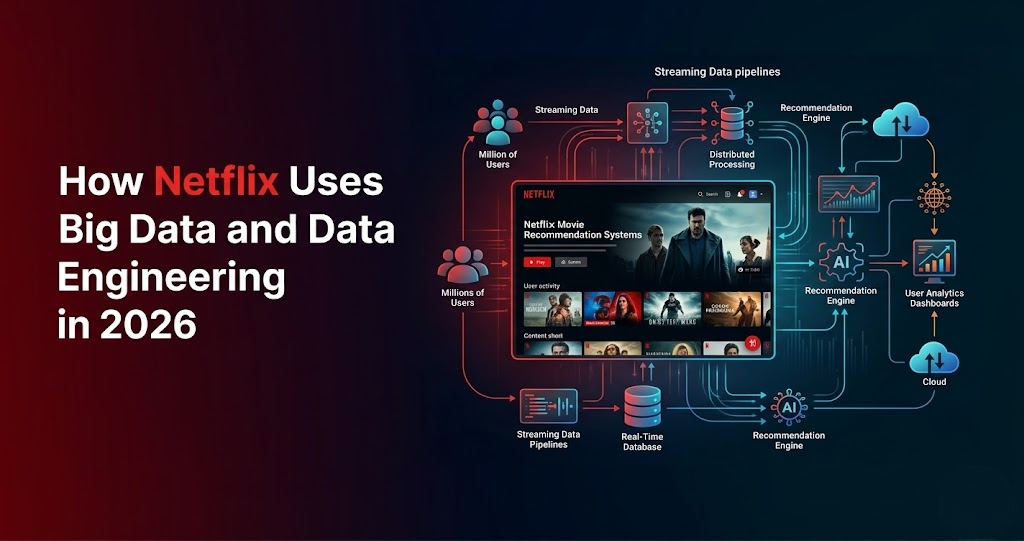
What Happens Behind the Scenes When You Use Netflix or Amazon?
Every day, millions of people use platforms like Netflix and Amazon without thinking about what happens behind the scenes. When you watch a movie on Netflix or order a product on Amazon, everything feels fast and smooth. But in reality, there is a massive data system working continuously in the background. These companies process huge amounts of data every second. They use modern technologies, cloud platforms, data pipelines, and big data systems to deliver personalized recommendations, fast search results, smooth streaming, and reliable user experiences. In this blog, you will understand how companies like Netflix and Amazon use modern data engineering systems behind the scenes. How Data is Generated Whenever you use Netflix or Amazon, your activity creates data. For example: Millions of users generate billions of events daily. This creates massive amounts of real-time data. Companies collect this information continuously to improve customer experience and business performance. Data Collection Process The first step is collecting user activity data. When a user clicks, searches, watches, or purchases something, the application sends event data to backend systems. This data is collected from: These events are sent into large-scale data pipelines. Role of Data Pipelines Data pipelines move data from applications into storage and processing systems. A typical flow looks like this: User Activity → Event Collection → Data Pipeline → Processing → Analytics These pipelines help companies: Without data pipelines, companies cannot handle such large-scale systems efficiently. How Netflix Recommends Movies Netflix uses data engineering and machine learning together. When you watch movies, Netflix tracks: This data is processed using large-scale systems and recommendation algorithms. Based on your activity, Netflix predicts what you may like next and shows personalized recommendations. This entire process happens automatically using modern data infrastructure. How Amazon Handles Recommendations Amazon works similarly. When you search or buy products, Amazon analyzes: Using this data, Amazon recommends products that you are more likely to buy. This improves user experience and increases sales. Technologies Used Behind the Scenes Companies like Netflix and Amazon use modern data engineering tools to handle massive scale. Some commonly used technologies include: These systems process millions of records quickly and reliably. Importance of Real-Time Processing Modern applications require real-time processing. For example: Real-time data processing helps companies make fast decisions and improve customer experience. This is why technologies like Apache Spark and streaming systems are becoming very important. Why Data Engineering is Critical Behind every modern application, data engineers build and maintain the systems that move and process data. Data engineers: Without data engineering, platforms like Netflix and Amazon cannot operate efficiently. What Beginners Can Learn from This Understanding how companies use data helps beginners understand the importance of data engineering. Modern companies depend heavily on: Learning these skills can open strong career opportunities in modern technology companies. When you use Netflix or Amazon, a huge data engineering system works behind the scenes to provide a smooth experience. From collecting user activity to processing massive amounts of data in real time, these companies depend heavily on modern data technologies. This is why data engineering, cloud computing, and big data skills are becoming more important every year. As businesses continue growing digitally, the demand for professionals who can build and manage these systems will continue to increase in 2026 and beyond.
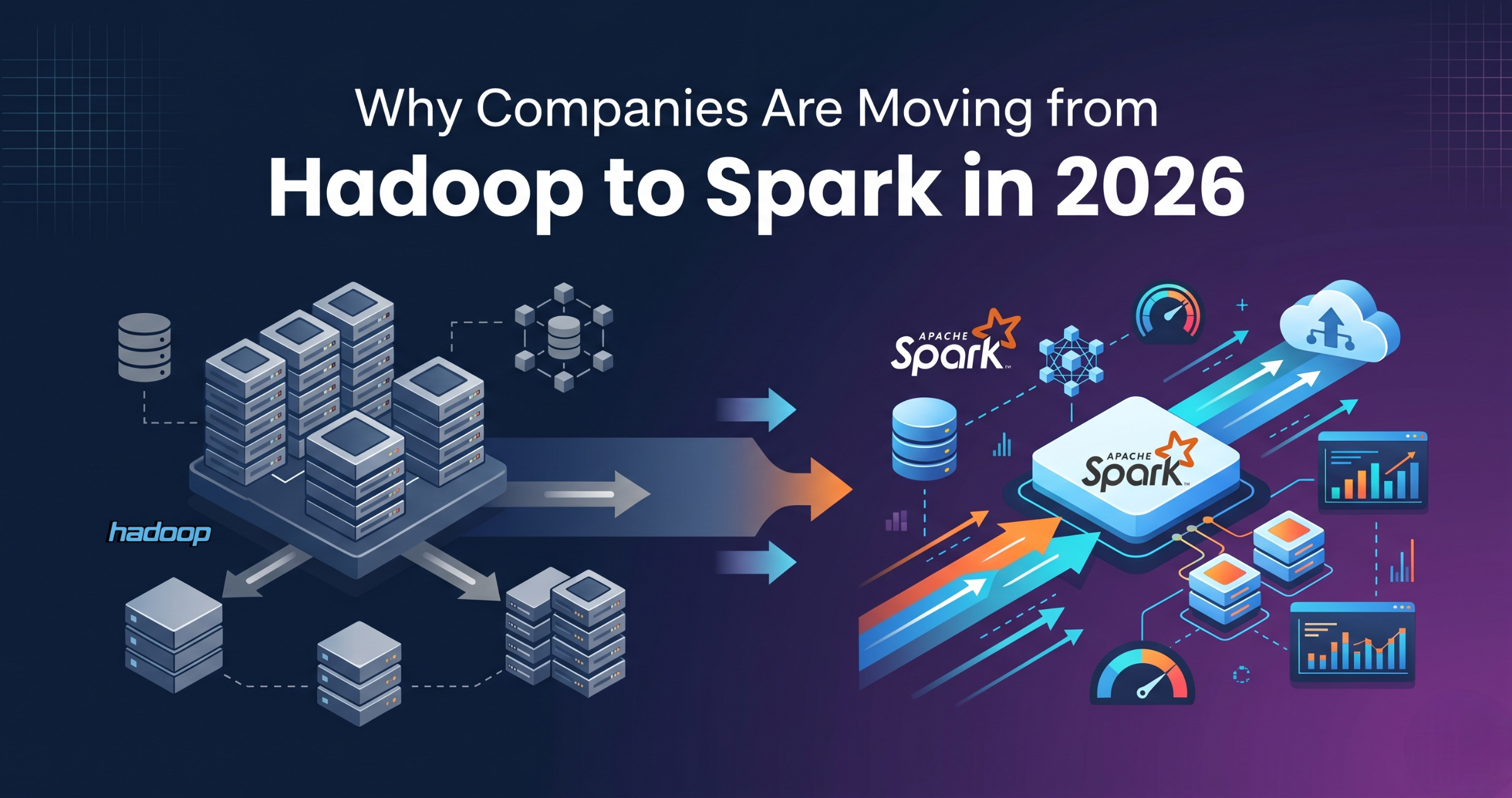
Why Companies Are Moving from Hadoop to Spark in 2026
For many years, Hadoop was one of the most popular technologies in big data processing. Companies used Hadoop to store and process huge amounts of data across distributed systems. It played a major role in the growth of data engineering and big data analytics. However, in 2026, many companies are slowly moving away from Hadoop and adopting Apache Spark instead. The reason is simple modern businesses need faster processing, better performance, and support for real-time data systems. In this blog, you will understand why companies are moving from Hadoop to Spark and why Spark has become one of the most important tools in modern data engineering. What is Hadoop? Hadoop is an open-source framework used for storing and processing large datasets. It uses distributed storage and distributed processing to handle big data across multiple systems. Hadoop mainly works using: For many years, Hadoop was the standard solution for big data systems. What is Apache Spark? Apache Spark is also a distributed data processing framework, but it is designed to process data much faster than Hadoop MapReduce. Spark processes data in memory, which makes it significantly faster. It also supports: Because of this flexibility and speed, Spark has become highly popular in modern data engineering. Why Companies Are Moving from Hadoop to Spark One of the biggest reasons companies are moving to Spark is performance. Hadoop MapReduce processes data by reading and writing to disk multiple times, which makes it slower. Spark uses in-memory processing, reducing processing time significantly. This helps companies handle large datasets much faster. Another major reason is real-time processing. Modern businesses need real-time analytics and faster decision-making. Hadoop is mainly designed for batch processing, while Spark supports both batch and real-time data processing. Spark is also easier to use for developers. It supports multiple languages like Python, Scala, and SQL, making development faster and more flexible. Companies also prefer Spark because it integrates well with modern cloud platforms like AWS, Azure, and GCP. As businesses move to cloud-based systems, Spark fits naturally into modern architectures. Hadoop vs Spark: Key Differences Hadoop and Spark both process big data, but they work differently. Hadoop: Spark: Because of these advantages, Spark is becoming the preferred choice for modern data systems. Real-World Use Cases Many companies now use Spark for: Industries like e-commerce, finance, healthcare, and streaming platforms rely heavily on Spark because they need fast and scalable processing. Is Hadoop Still Used? Even though Spark is growing rapidly, Hadoop is not completely gone. Some companies still use Hadoop storage systems like HDFS. In many cases, Spark actually runs on top of Hadoop infrastructure. So Hadoop still exists in some environments, but Spark is becoming the main processing engine. Why Learning Spark is Important in 2026 For anyone planning a career in data engineering, Spark has become a must-have skill. Many job descriptions now require Spark knowledge because companies are actively using it in production systems. Learning Spark helps you: As more companies move to modern cloud and real-time architectures, Spark skills are becoming more valuable. Common Mistakes Beginners Make Many beginners focus only on Hadoop because it was popular in the past. However, modern data engineering is moving toward Spark-based systems. Another mistake is trying to learn advanced Spark concepts before understanding basics like SQL and data pipelines. Building strong fundamentals first makes learning easier. Companies are moving from Hadoop to Spark because modern data systems require faster processing, real-time capabilities, and better scalability. While Hadoop played an important role in big data history, Spark is becoming the preferred choice for modern data engineering in 2026. Its speed, flexibility, and cloud compatibility make it ideal for today’s business needs. If you want to build a strong career in data engineering, learning Apache Spark is one of the smartest decisions you can make today.
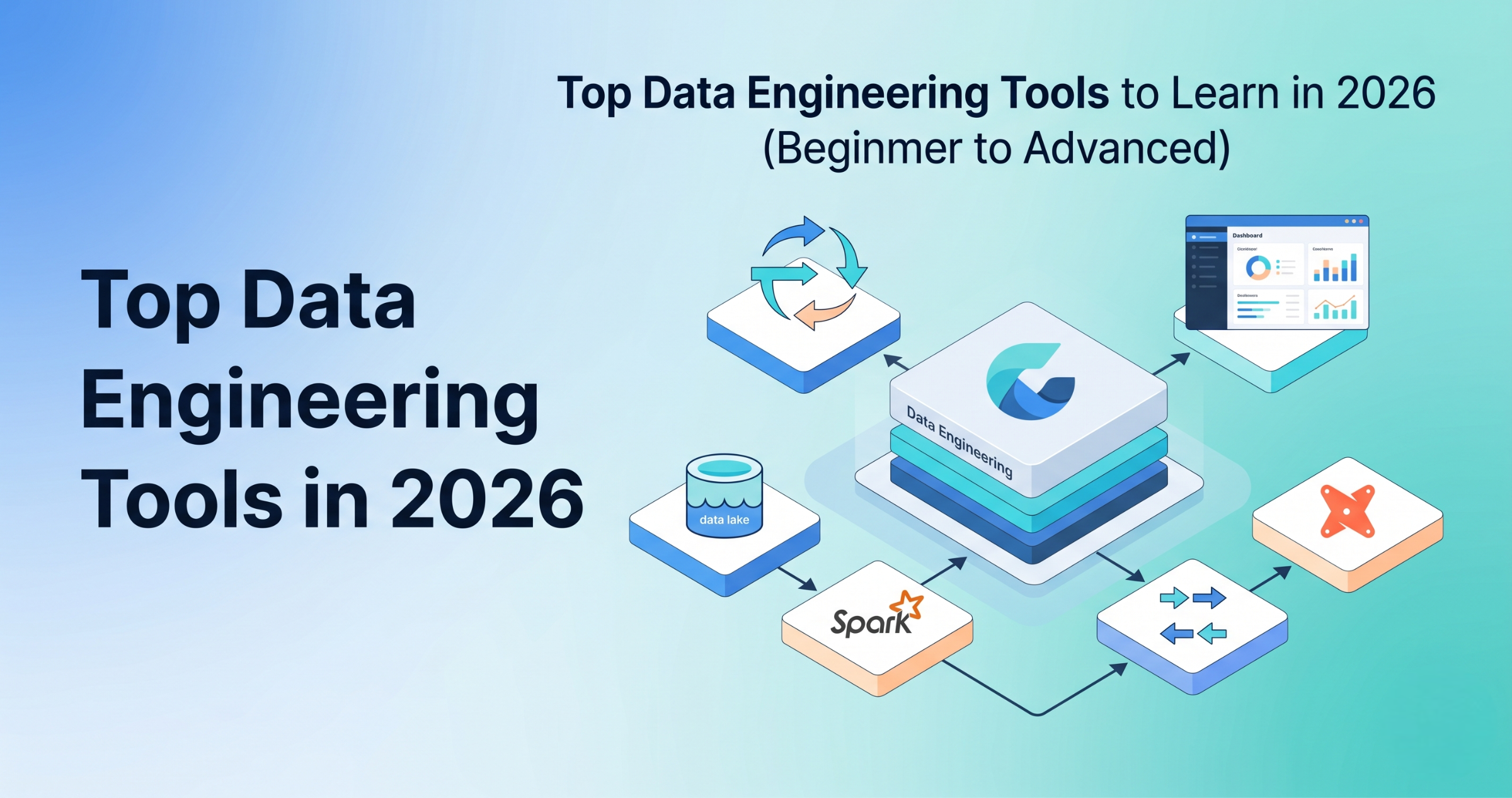
Top Data Engineering Tools You Must Learn in 2026 (Beginner to Advanced)
Data engineering is one of the fastest-growing fields in technology. Companies today depend on data to make decisions, build products, and improve performance. Because of this, data engineers play a key role in building systems that collect, process, and store data. If you want to become a data engineer in 2026, learning the right tools is very important. There are many tools available, but you do not need to learn everything. You just need to focus on the most important tools used in real-world projects. In this blog, you will understand the top data engineering tools you must learn, from beginner level to advanced level. Why Learning Data Engineering Tools is Important Data engineering is not only about theory. It is about building real systems that work with large amounts of data. Tools help you: Without tools, it is difficult to work in real projects. That is why learning tools step by step is important. Beginner-Level Tools If you are starting from scratch, you should first focus on basic tools. These will help you understand core concepts. SQL SQL is the most important skill for data engineers. It is used to query and manage data in databases. You will use SQL in almost every project. Without SQL, it is very difficult to move forward in data engineering. Python Python is widely used for data processing and automation. It is simple to learn and very powerful. You can use Python for: Basic Databases Understanding how databases work is important. You should learn: These tools help you build a strong foundation. Intermediate-Level Tools Once you understand the basics, you can move to intermediate tools that are used in real data pipelines. Apache Spark Apache Spark is used for processing large amounts of data quickly. It supports distributed computing and is widely used in companies. It helps in: Data Warehouses Data warehouses are used to store processed data for analysis. Popular tools include: These tools are important for analytics and reporting. ETL Tools ETL tools help move and transform data from one system to another. Examples: These tools help automate data pipelines. Advanced-Level Tools At the advanced level, you will work with modern data architecture tools. DBT (Data Build Tool) DBT is used for transforming data inside data warehouses. It allows you to write SQL-based transformations. It is widely used in modern data engineering workflows. Streaming Tools Streaming tools are used for real-time data processing. Examples: These tools are used in applications like real-time analytics and monitoring systems. Cloud Platforms Cloud platforms are essential for data engineering in 2026. You should learn: These platforms provide storage, processing, and data services. How to Learn These Tools (Right Approach) Many beginners make the mistake of trying to learn everything at once. This creates confusion. Instead, follow this step-by-step approach: Practice is very important. Try to build small projects to understand how tools work together. Common Mistakes to Avoid While learning data engineering tools, avoid these mistakes: Focus on understanding how tools are used in real projects. Data engineering tools are the backbone of modern data systems. In 2026, companies are using a combination of tools to build scalable and efficient data pipelines. You do not need to learn everything at once. Start with basics, move step by step, and focus on real-world use cases. By learning the right tools in the right order, you can build a strong career in data engineering.
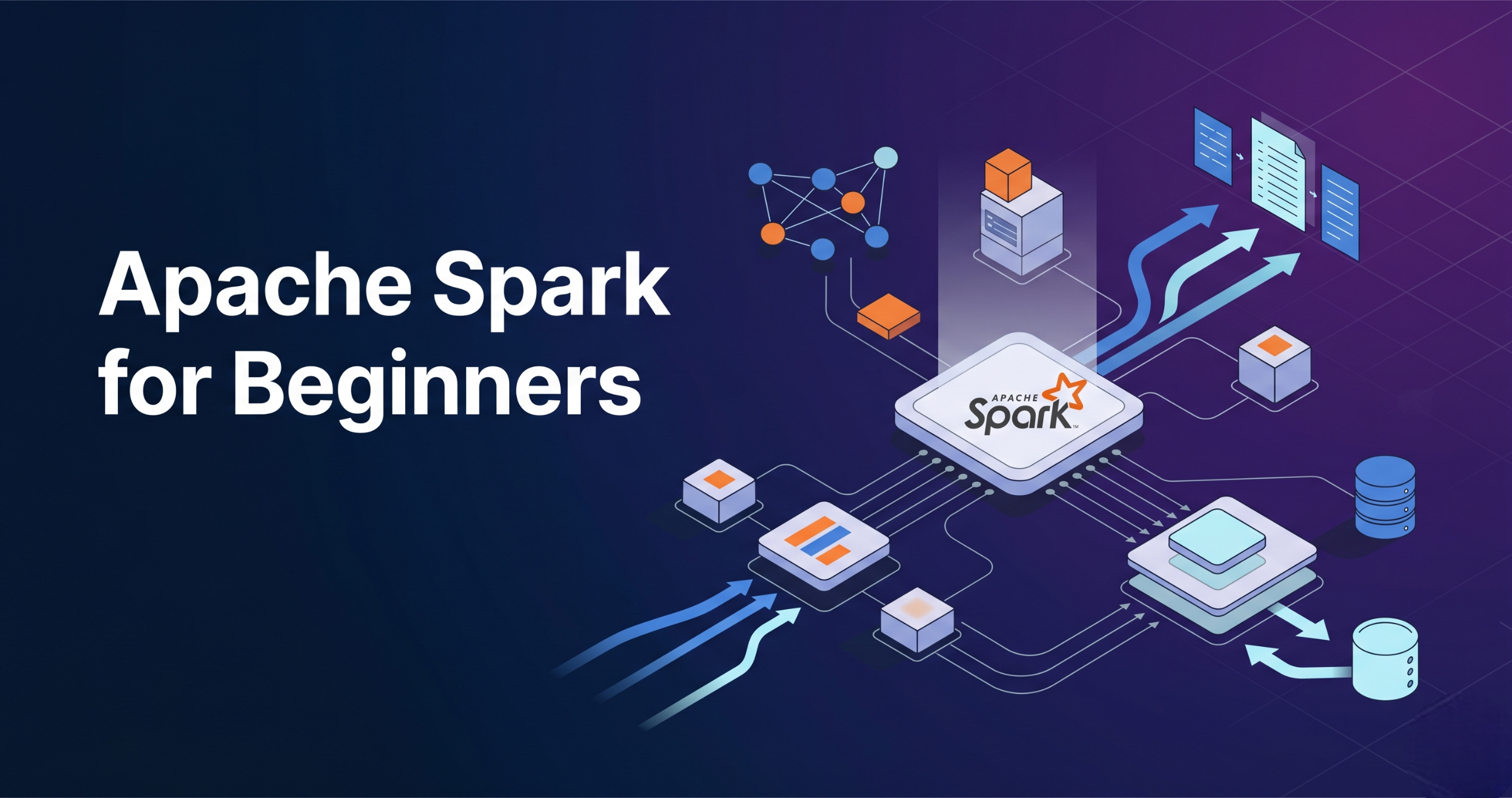
Apache Spark for Beginners: Why It’s a Must-Have Skill in 2026
In today’s data-driven world, companies are handling massive amounts of data every day. Processing this data quickly and efficiently has become a major challenge. This is where Apache Spark comes in. Apache Spark is one of the most popular tools used in data engineering for large-scale data processing. Many companies rely on Spark to build fast and scalable data pipelines. If you are planning to start a career in data engineering, learning Apache Spark in 2026 is not just useful, it is essential. What is Apache Spark? Apache Spark is an open-source data processing framework used to process large amounts of data quickly. It works in a distributed environment, which means it can process data across multiple machines at the same time. In simple terms, Spark allows you to handle big data efficiently without waiting for long processing times. Unlike traditional systems, Spark processes data in memory, making it much faster. It supports multiple programming languages like Python, Scala, and SQL, making it flexible for different users. Why Apache Spark is Important in Data Engineering Data engineering is all about building systems that handle large data. Spark plays a key role in this because it can process huge datasets quickly and reliably. Many modern data pipelines depend on Spark for transforming and analyzing data. Whether it is batch processing or real-time data, Spark can handle both. As companies continue to generate more data, the need for tools like Spark is increasing. Key Features of Apache Spark Apache Spark provides several features that make it powerful and widely used. These features make Spark a complete solution for data processing. How Apache Spark Works Apache Spark works by dividing data into smaller parts and processing them across multiple machines. This approach is called distributed processing. Instead of processing data in a single system, Spark distributes the workload. This reduces processing time and improves performance. It uses components like: This modular design makes Spark flexible for different use cases. Why Spark is a Must-Have Skill in 2026 There are several reasons why learning Apache Spark is important in 2026. First, it is widely used in the industry. Many companies use Spark as a core part of their data systems. Second, it offers strong career opportunities. Data engineers with Spark skills are in high demand. Third, it supports modern data architectures. Tools like Delta Lake, Snowflake, and cloud platforms work well with Spark. Fourth, it improves your ability to handle big data problems. This is a critical skill in today’s job market. Because of these reasons, Spark is considered a must-have skill for data engineers. How to Start Learning Apache Spark If you are a beginner, you can start learning Spark step by step. You do not need to learn everything at once. Start with: Once you understand the basics, you can move to advanced topics like optimization and real-time processing. Common Mistakes Beginners Make Many beginners make mistakes while learning Spark. Being aware of these can help you avoid problems. Learning step by step with practice is the best approach. Apache Spark is one of the most important tools in data engineering. It helps process large data efficiently and supports modern data systems. In 2026, companies are increasingly relying on Spark for building scalable and fast data pipelines. This makes it a valuable skill for anyone entering the data field. If you want to build a strong career in data engineering, learning Apache Spark is a smart and necessary step.
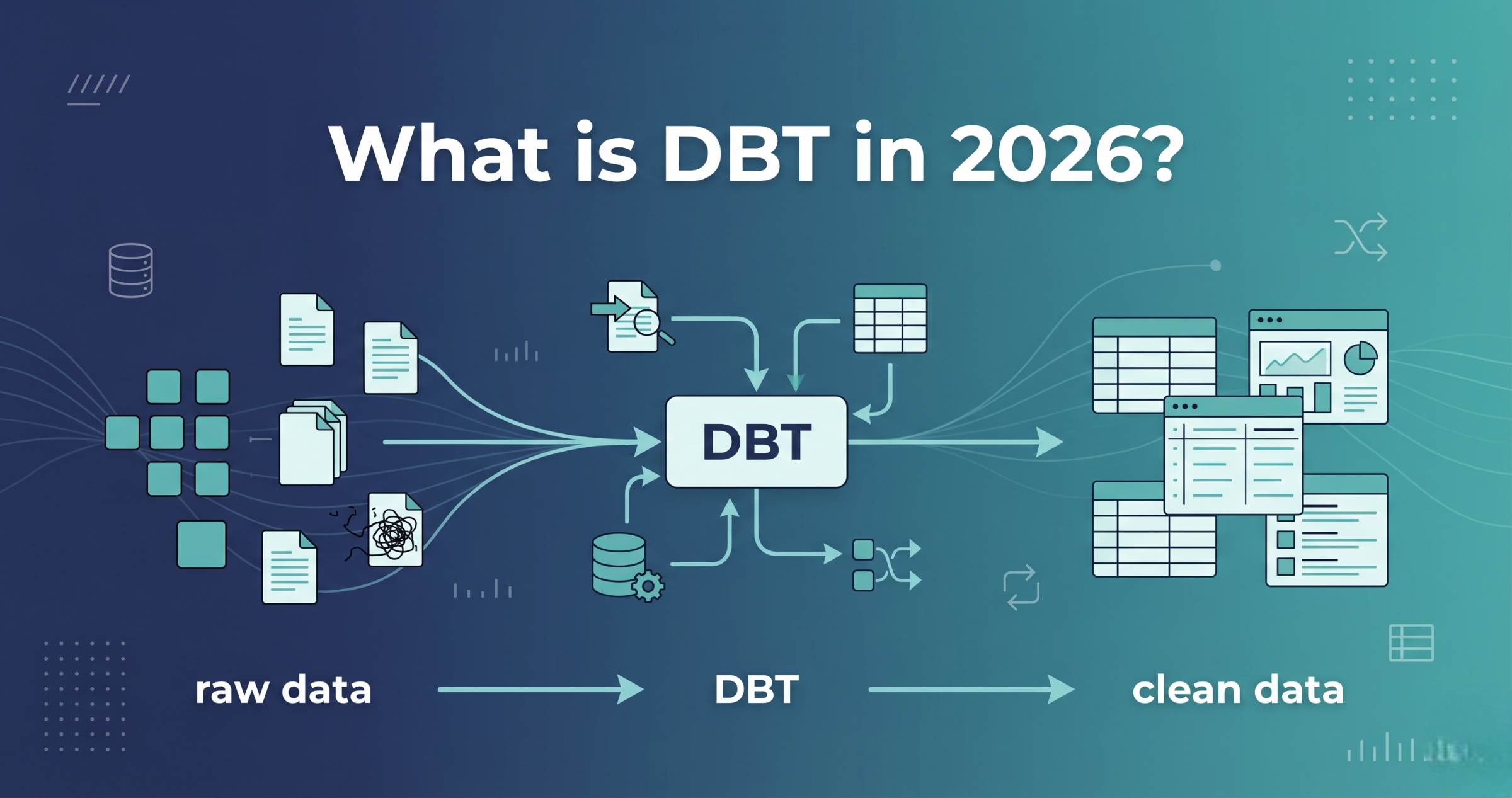
What is DBT and Why Data Engineers Are Using It in 2026?
In modern data engineering, managing and transforming data efficiently has become very important. Many companies are now dealing with large amounts of data, and traditional methods of handling data transformations are no longer enough. This is where DBT comes in. DBT, which stands for Data Build Tool, is becoming one of the most popular tools in data engineering in 2026. It helps data engineers transform raw data into clean, reliable, and analysis-ready data directly inside data warehouses. In this blog, you will understand what DBT is, how it works, and why more data engineers are using it. What is DBT? DBT is a tool used for transforming data inside a data warehouse. Instead of moving data to another system for processing, DBT works directly where the data is stored. In simple terms, DBT allows you to write SQL queries to transform raw data into useful tables that can be used for reporting and analysis. It focuses only on transformation, which is the “T” in ELT (Extract, Load, Transform). Data is first loaded into the warehouse, and then DBT is used to clean and organize it. This approach is faster and more efficient compared to older ETL methods. Why DBT is Important in Modern Data Engineering As companies move to cloud data platforms like Snowflake, BigQuery, and Redshift, the way data is processed has changed. Instead of processing data outside, transformations now happen inside the warehouse. DBT fits perfectly into this modern approach. It helps teams manage data transformations in a structured and organized way. Data engineers can build reusable models, track changes, and maintain data quality without creating complex pipelines. Because of this, DBT has become an essential tool in modern data workflows. Key Features of DBT DBT offers several features that make data engineering easier and more efficient. These features help teams build reliable and scalable data systems. How DBT Works in Data Pipelines In a typical modern data pipeline, data is first collected from different sources and loaded into a data warehouse. After that, DBT is used to transform the data. The process looks like this: Data is ingested into the warehouse → DBT transforms the data → Clean data is used for analytics and reporting DBT runs SQL models in a sequence, ensuring that each step depends on the previous one. This creates a clear and organized data flow. Why Data Engineers Are Using DBT in 2026 There are several reasons why DBT is widely used by data engineers today. First, it simplifies data transformation. Instead of writing complex code, engineers can use SQL, which is easier to learn and use. Second, it improves collaboration. Teams can work together using version control, making it easier to track changes and avoid errors. Third, it ensures data quality. With built-in testing, engineers can catch issues early before they affect reports. Fourth, it supports scalability. DBT works well with cloud data platforms, making it suitable for large-scale data systems. Because of these advantages, DBT has become a standard tool in many data teams. DBT vs Traditional ETL Traditional ETL tools process data outside the warehouse, which can be slower and more complex. They often require separate systems and additional maintenance. DBT follows the ELT approach, where data is loaded first and transformed later inside the warehouse. This reduces complexity and improves performance. Compared to traditional ETL, DBT is simpler, faster, and more efficient for modern data environments. When Should You Learn DBT? If you are planning to build a career in data engineering, learning DBT can be very helpful. It is especially useful if you are working with cloud data platforms or modern data stacks. You should consider learning DBT if you: Learning DBT can make you more valuable in the job market. DBT has become an important tool in modern data engineering. It simplifies data transformation, improves data quality, and helps teams build scalable data pipelines. As data continues to grow and cloud platforms become more popular, tools like DBT will play a key role in managing data efficiently. If you want to stay relevant in the data field in 2026, learning DBT is definitely a smart choice.
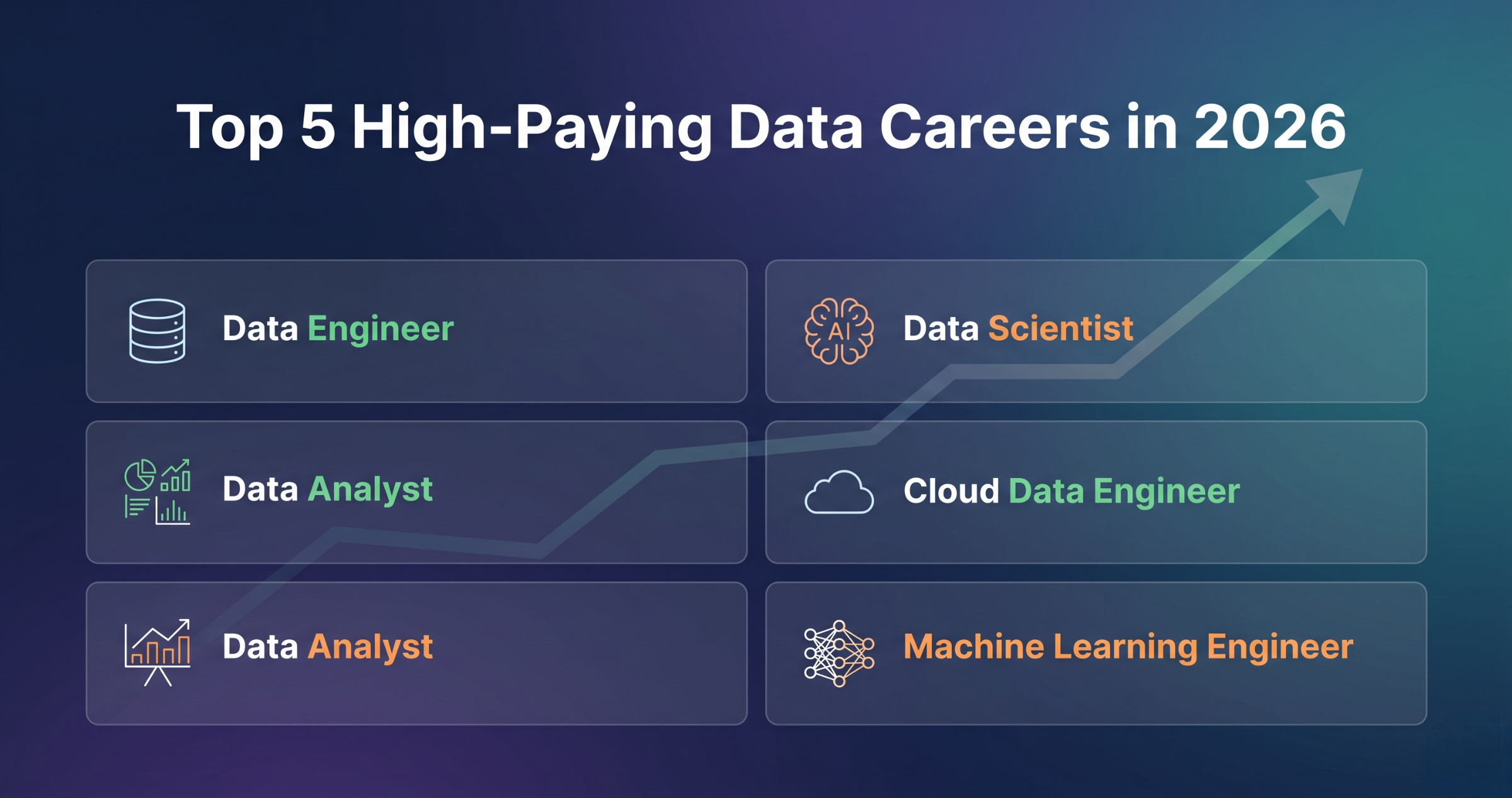
Top 5 High-Paying Data Careers in 2026 (And How to Start Each One)
With the rapid growth of technology, data has become one of the most valuable assets for companies. Because of this, careers related to data are growing very fast. Many people are now looking for high-paying data careers that offer strong growth and long-term stability. In 2026, data-related roles are not only in demand but also among the highest-paying jobs in the tech industry. However, many beginners feel confused about which career to choose and how to start. In this blog, you will understand the top 5 high-paying data careers in 2026 and a simple path to start each one. 1. Data Engineer Data engineering is one of the most in-demand and high-paying careers today. Data engineers build systems that collect, process, and store data so that it can be used for analysis and decision-making. This role is important because companies depend on clean and reliable data. Without data engineers, analytics and machine learning cannot work properly. To start a career in data engineering, focus on: Data engineering offers strong salary growth and long-term career stability. 2. Data Scientist Data scientists work on analyzing data and building models to make predictions. They help companies understand patterns and make better decisions. This role requires a combination of programming, statistics, and problem-solving skills. It is considered one of the most popular data careers. To start as a data scientist: Data scientists are highly paid because they directly impact business decisions. 3. Data Analyst Data analysts focus on understanding data and creating reports. They help businesses track performance and make decisions based on data. This is one of the best roles for beginners because it requires fewer technical skills compared to other data roles. To start as a data analyst: Data analyst roles are widely available and provide a good entry point into the data field. 4. Cloud Data Engineer Cloud data engineers work with cloud platforms like AWS, Azure, or GCP to build data systems. As more companies move to the cloud, this role is growing rapidly. This role combines data engineering with cloud skills, making it highly valuable. To start in this field: Cloud data engineers are in high demand and offer excellent salary packages. 5. Machine Learning Engineer Machine learning engineers build systems that use data to make predictions automatically. They work closely with data scientists but focus more on production systems. This role is more advanced and requires strong programming skills. To start as a machine learning engineer: This is one of the highest-paying roles in the data field. How to Choose the Right Career Choosing the right career depends on your interest and background. If you like building systems, data engineering is a good choice. If you enjoy analysis, data analyst or data scientist roles may be better. If you are interested in cloud technologies, cloud data engineering is a strong option. For those who like advanced problem-solving, machine learning is a good path. The most important thing is to start with basics and then move step by step. Data careers are among the highest-paying and fastest-growing options in 2026. Roles like data engineer, data scientist, and cloud data engineer offer excellent opportunities for beginners as well as experienced professionals. While each role has its own skills and learning path, all of them require consistency and practice. You do not need to learn everything at once. Start small, focus on one path, and build your skills gradually. With the right approach, you can build a successful career in the data field and take advantage of the growing demand in this industry.
Is Data Engineering a Good Career in 2026? Salary, Demand & Future Growth
Many people who are planning to enter the tech field often ask one important question: Is data engineering a good career in 2026? With the rapid growth of data in every industry, this question has become more relevant than ever. The short answer is yes. Data engineering is one of the fastest-growing and most in-demand careers today. Companies rely heavily on data to make decisions, and without data engineers, it is not possible to build reliable data systems. However, to make the right career decision, it is important to understand salary, demand, and future growth in detail. Why Data Engineering Is in High Demand Every company today works with data. From startups to large enterprises, data is used for analytics, reporting, and machine learning. But raw data is often messy and unstructured. This is where data engineers play a key role. Data engineers build pipelines that collect, process, and store data in a usable format. As businesses continue to grow digitally, the need for data engineers is increasing. Some key reasons for high demand include: Because of these factors, companies are actively hiring skilled data engineers. Salary of Data Engineers in 2026 One of the biggest advantages of choosing data engineering as a career is the salary. Data engineers are among the highest-paid professionals in the tech industry. Salary depends on factors like experience, location, and skills. However, the general trend shows strong earning potential. Typical salary range: In countries like the US, UK, and India, data engineering salaries continue to grow each year due to increasing demand. Future Growth of Data Engineering The future of data engineering looks very strong. As more companies move to cloud platforms and adopt data-driven decision-making, the need for data engineers will continue to grow. New trends are also shaping the future: These trends show that data engineering is not just a temporary trend but a long-term career option. Skills Required for Data Engineering To succeed in this field, you need a combination of technical and practical skills. You don’t need to master everything at once, but you should build a strong foundation. Important skills include: With consistent learning and practice, these skills can be developed over time. Is Data Engineering Good for Beginners? Yes, data engineering is a good career even for beginners. However, it may feel slightly challenging at the start because of multiple concepts and tools. The key is to follow a structured approach. Start with basics like SQL and programming, then move to pipelines and tools. Avoid trying to learn everything at once. With proper guidance and regular practice, beginners can successfully enter this field. Challenges in Data Engineering Like any career, data engineering also has some challenges. Understanding these helps you prepare better. Common challenges include: These challenges become easier as you gain experience. So, is data engineering a good career in 2026? The answer is yes. It offers high demand, strong salary growth, and excellent future opportunities. While the learning process may feel challenging at the beginning, it becomes easier with the right approach. By focusing on fundamentals, practicing regularly, and building real-world skills, you can build a successful career in data engineering. If you are looking for a stable, high-growth, and future-proof career, data engineering is definitely a great choice.

Can You Become a Data Engineer Without Coding? The Truth
Many people who want to enter data engineering ask one common question: Do I need coding to become a data engineer? It’s a valid concern, especially for beginners coming from non-technical backgrounds. The honest answer is simple, you can start learning data engineering with little or no coding, but you cannot become a strong data engineer without coding in the long run. At the beginning, it may look like there are tools that allow you to build pipelines without writing code. Platforms like visual ETL tools, drag-and-drop interfaces, and cloud services make things easier. This gives the impression that coding is optional. But in real-world projects, coding becomes essential as complexity increases. Where You Can Start Without Coding It is possible to begin your journey without deep coding knowledge. Many beginner-friendly tools help you understand concepts like data flow, pipelines, and transformations without writing much code. You can start by learning: Some tools allow you to build pipelines visually. This helps you understand how data moves from source to destination. At this stage, your focus should be on concepts, not coding. Where Coding Becomes Important As you move forward, you will notice limitations in no-code or low-code tools. Real-world data engineering problems are not always simple. You may need to handle complex transformations, optimize performance, or fix pipeline failures. This is where coding becomes necessary. In real projects, coding is used for: Without coding, it becomes difficult to handle these tasks efficiently. Minimum Coding You Need The good news is that you do not need to become a software developer. Data engineering requires practical coding, not deep software engineering knowledge. The most important skills are: Even basic coding skills can take you far if you understand how data systems work. The Reality of Industry Expectations In real companies, data engineers are expected to write code. Even if you use tools like AWS Glue, Azure Data Factory, or Databricks, you will still write scripts, queries, or transformations. Most job descriptions clearly mention: This means coding is not optional if you want a job in this field. The Best Approach for Beginners Instead of avoiding coding, the better approach is to start small and build gradually. You don’t need to learn everything at once. A simple learning path: By following this step-by-step approach, coding will feel easier and more practical. Common Mistakes to Avoid Many beginners delay learning coding because they feel it is too hard. This slows down their progress. Common mistakes include: Coding becomes easier with practice. Avoiding it makes the journey harder. So, can you become a data engineer without coding? The truth is you can start without coding, but you cannot grow without it. Coding is a core skill in data engineering, but you only need practical knowledge, not deep programming expertise. If you take a step-by-step approach and focus on learning gradually, coding will stop feeling difficult. With consistency and practice, anyone can become a data engineer, even without a strong technical background at the beginning.
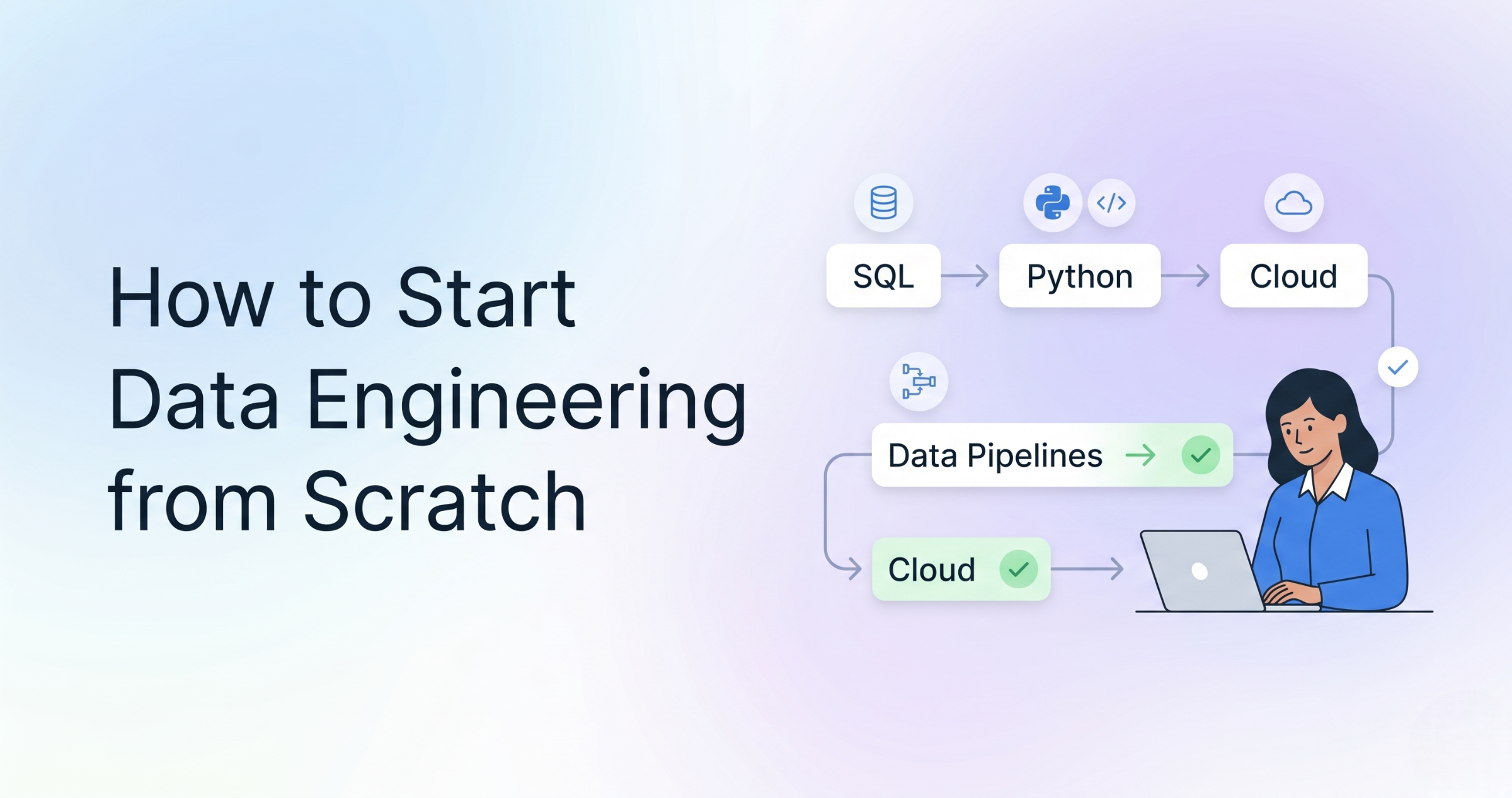
How to Start Data Engineering from Scratch (Step-by-Step Guide for Beginners 2026)
Starting data engineering from scratch can feel confusing, especially if you don’t know where to begin. There are many tools, technologies, and concepts, and most beginners feel overwhelmed. Many people start learning random tools without a clear path and end up getting stuck. The good news is that you don’t need to learn everything at once. If you follow a clear step-by-step approach, you can start learning data engineering easily, even with no prior experience. This guide will help you understand exactly what to learn and how to begin your journey in 2026. Understanding Data Engineering Before learning any tools, it is important to understand what data engineering actually is. Data engineering is the process of collecting, transforming, and storing data so that it can be used for analysis. In simple terms, data engineers build systems that move data from one place to another and make it ready for use. These systems are called data pipelines. Once you understand this basic idea, the rest of the learning process becomes much easier. Start with SQL SQL is the most important skill in data engineering. Almost every data engineer uses SQL daily to work with data. Without SQL, it becomes very difficult to move forward in this field. You should focus on learning: Strong SQL skills will make learning other tools much easier. Learn Basic Programming After SQL, the next step is to learn basic programming. Python is the most commonly used language in data engineering. You don’t need advanced coding skills, but you should be comfortable with basic concepts. Focus on understanding how to write simple programs, use functions, and work with data. Programming helps you build pipelines, automate tasks, and process data efficiently. Understand Data Pipelines Data pipelines are the core of data engineering. A pipeline is a system that takes data from a source, processes it, and stores it for analysis. A simple pipeline usually follows this flow: You should also understand concepts like ETL (Extract, Transform, Load) and the difference between batch and real-time processing. Learn Big Data Tools Once you understand the basics, you can start learning tools like Apache Spark. These tools are used to process large amounts of data efficiently. At the beginning, focus on understanding how data is read, transformed, and written using these tools. You don’t need to go deep immediately. Basic knowledge is enough to start. Learn Cloud Basics Most modern data engineering work happens on cloud platforms. It is important to learn at least one cloud platform such as AWS, Azure, or GCP. You should understand basic services like: Start with one platform and later expand your knowledge to others. Build Small Projects Learning theory alone is not enough. You need to build projects to understand how things work in real-world scenarios. Start with simple projects like reading data from a file, cleaning it, and storing it in a database. Then move to building basic pipelines and using cloud tools. Projects help you gain confidence and practical experience. Learn Real-World Concepts After gaining basic knowledge, you should start learning real-world concepts that are used in production systems. These include data quality, error handling, partitioning, and performance optimization. These topics help you understand how to build reliable and efficient data systems. Practice Regularly Consistency is the key to learning data engineering. You don’t need to study for long hours every day, but you should practice regularly. Even one to two hours daily can make a big difference. Focus on improving your SQL, coding skills, and understanding of pipelines. Regular practice helps you retain concepts and improve faster. Prepare for Jobs Once you have learned the basics and built some projects, you can start preparing for job opportunities. Focus on understanding concepts, solving SQL problems, and explaining how data pipelines work. It is also important to build a portfolio of your projects. This helps you showcase your skills and improves your chances of getting hired. Common Mistakes to Avoid Many beginners make mistakes that slow down their progress. Some of the most common mistakes include: Avoiding these mistakes will make your learning journey much smoother. Starting data engineering from scratch is not as difficult as it seems. The difficulty mostly comes from lack of direction, not from the field itself. If you follow a structured path and focus on basics, learning becomes much easier. Start with SQL and programming, understand data pipelines, and gradually move to tools and cloud platforms. Stay consistent, build projects, and keep improving step by step. Over time, you will develop the skills needed to become a data engineer.